Featured
Table of Contents
The memories of a terrible experience remain with the person who experienced it; the worldview it created in them, nevertheless, can be inherited by their children. Also young children, research study has actually shown, detect and respond to their parent's anxiety hints. Researches of Holocaust survivors have actually found that while lots of stood up to speaking with children regarding their experiences, their worldviewthat the globe was an unsafe location where dreadful points could occur at any timeaffected their children's expectation also.
Intergenerational trauma is trauma passed from one generation to the following, frequently without straight experience of the traumatic occasion. This trauma can cause symptoms like stress and anxiety and mood troubles, comparable to PTSD.Therapy and trauma-informed treatment can assist manage the effects of intergenerational injury.
People experiencing intergenerational injury might experience symptoms, reactions, patterns, and emotional and mental effects from injury experienced by previous generations (not restricted to just moms and dads or grandparents). Human beings have made it through for hundreds of years by developing the ability to adapt. If you live with chronic stress or have actually lived with a distressing occasion, particular reactions activate to aid you survivethese are recognized as trauma feedbacks.
Beginning Your Healing Journey
Someone that has actually experienced trauma could struggle to really feel calm in situations that are objectively secure as a result of anxiousness that another traumatic occasion will certainly occur. When this happens, the injury reaction can be unsafe rather than flexible. For instance, a person may have matured in a household where there were generations of yelling and screaming at their youngsters in anger, originating from an area of unsettled injury and pain.
survived that led to their yelling or yelling. This may have been since shouting or shouting was flexible habits for survival or they had their very own parents scream at them because those parents and those before them didn't have the devices, energy, modeling, support, or area to talk kindly/gently/lovingly to their children as a result of consistent stressors and the trauma of historical oppression/struggle.
Why Cultural Competence Matters in Therapeutic Care
Those affected by intergenerational injury could experience symptoms similar to that of trauma (PTSD), including hypervigilance, anxiousness, and mood dysregulation. Nonetheless, since the person did not straight experience the injury themselves, they will not experience recalls or intrusive memories. They experience injury symptoms and injury actions from events that did not strike them; rather, the reaction is acquired genetically.
Intergenerational injury takes place when the results of injury are passed down between generations. This can take place if a parent experienced abuse as a youngster or Unfavorable Childhood Years Experiences (ACEs), and the cycle of trauma and abuse effects their parenting. Intergenerational injury can also be the result of oppression, including racial trauma or other systemic fascism.
Intergenerational Trauma in Second-Generation Families
This is one means that we adjust to our atmosphere and make it through. When a person experiences trauma, their DNA reacts by triggering genetics to aid them make it through the stressful time. Genetics that prime us for points like a fight, flight, freeze, or fawn response will activate to assist us be prepared for future hazardous situations.
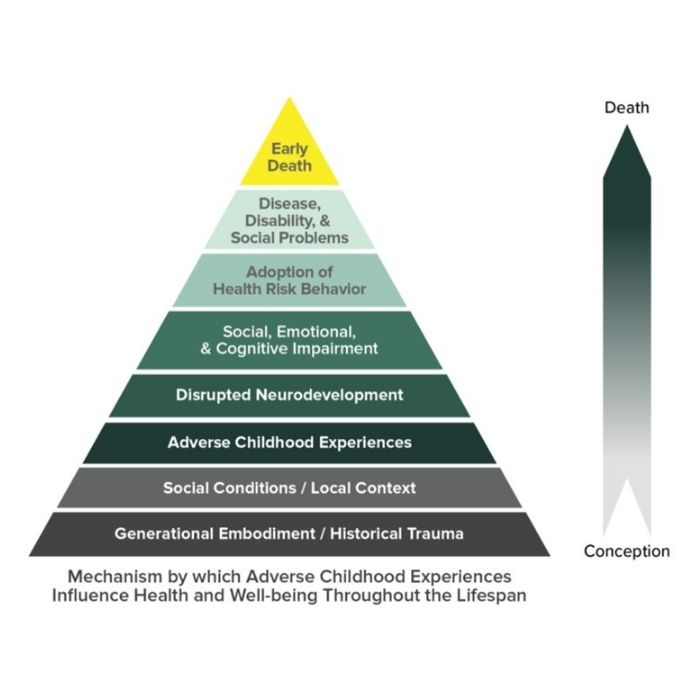
Our genetics do a great work of keeping us risk-free even if this does not mean maintaining us happy. When genetics are primed for demanding or stressful occasions, they react with higher resilience to those events, however this continuous state of anticipating danger is difficult. The trade-off of being continuously prepared to keep us risk-free raises our body's tension levels and impacts our mental and physical health and wellness over time.
What to Look For in a Bicultural Provider
This "survival mode" stays encoded and passed down for numerous generations in the absence of additional injury. Our genetics do an excellent work of maintaining us risk-free even if this does not mean maintaining us happy. When genetics are topped for difficult or stressful events, they react with higher durability to those events, however this consistent state of anticipating threat is demanding.
Research reveals that children of parents with greater ACEs ratings are at greater threat for their own adverse youth experiences. If you experience intergenerational injury, trauma-informed interventions and therapy treatment can assist you manage your very own signs and symptoms, comprehend the influence of intergenerational trauma, and equip you with tools to help transform deeply ingrained patterns and heal yourself and generations after you.
There are numerous sources readily available to those taking care of trauma, both personal and intergenerational. Identifying trauma signs, even if they are acquired instead of pertaining to an individual injury, is essential in coping and seeking support for intergenerational injury. Also if you do not have your own memories of the trauma, a trauma-informed technique to care can aid you handle your body's physical reaction to intergenerational injury.
Dr. Alter-Reid maintains a private technique supplying therapy for people with intense stressful tension conditions, anxiety, and life-cycle changes. Her most recent work focuses on locating and healing trans-generational injury, bringing a larger lens to her work with patients.
The Role of Shared Experience in Trauma Treatment

Dr. Alter-Reid employs an integrative strategy which might incorporate relational psychiatric therapy, EMDR, hypnosis, stress monitoring, sensorimotor psychotherapy and/or psychophysiological feedback. These adjunctive methods are based upon innovative research study in neuroscience. Dr. Alter-Reid is the EMDR Senior Expert to the Integrative Trauma Program at the National Institute for the Psychotherapies in New York City City ().
In addition, Dr. Alter-Reid gets on professors in both the Integrative Injury Program and in the 4 year analytic program. Dr. Alter-Reid is an EMDRIA-Approved EMDR Institute Regional Fitness Instructor, Consultant and Specialized Speaker, training medical professionals across the country, training specialists and University professors concerning injury and training them in EMDR therapy. In response to the Sandy Hook shootings, Dr.
This team of seasoned injury specialists supplied treatment and training to households and first -responders influenced by the shootings. She co-led a group of injury therapists for 12 years as component of a non-profit, Fairfield Region Trauma Reaction Group. Dr. Alter-Reid also co-created a program, "Treatment for Specialists" which provides injury treatment to clinicians collaborating with shocked populaces.

Latest Posts
Timeline for Healing
Is KAP Treatment Right for You
Transforming Bicultural Stress Into Strength